Don't Buy the Wireless Vertical Mouse Until You Read This Full Analysis
Introduction
Wireless vertical mice have surged in popularity as an alternative to conventional mice, promising reduced wrist pronation, improved comfort, and relief from repetitive strain injuries. However, the vertical form factor introduces compromises and design variations that matter more than most buyers expect. This in-depth analysis breaks down what a wireless vertical mouse really offers, which scenarios it helps, and the practical trade-offs shoppers should weigh before purchasing.
What Is a Wireless Vertical Mouse?
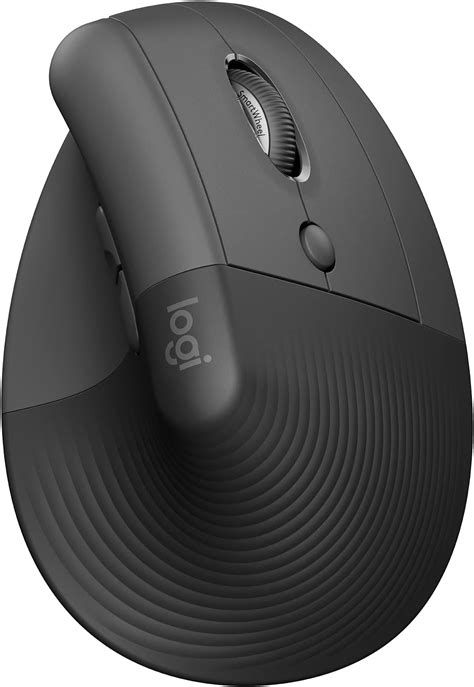
A wireless vertical mouse reorients the hand into a handshake or neutral position instead of the palm-down posture typical of traditional mice. The term "wireless" refers to the device’s connectivity—commonly Bluetooth or a 2.4 GHz USB dongle—so it operates without a direct cable. While the concept is simple, execution varies widely across models: angle of tilt, button placement, sensor quality, size, and wireless implementation can all change the user experience dramatically.
Detailed Product Analysis
This section evaluates the most important aspects of wireless vertical mice: ergonomics, sensor and tracking performance, connectivity and latency, build quality and materials, battery life and power management, and software/customization. Where applicable, common user priorities and real-world behavior are referenced to show how these technical features translate into daily use.
Ergonomics and Hand Position
The principal advantage of a vertical mouse is wrist posture. By orienting the hand vertically, the device reduces forearm pronation—rotation of the forearm that places stress on the wrist and small muscles. For office workers, developers, and anyone with wrist discomfort, this can translate into noticeable relief after a short adaptation period.
However, ergonomic benefit depends on angle and size. A shallow-tilt vertical mouse (20–30 degrees) may feel less foreign but offer smaller posture gains, whereas steep-tilt designs (45–60 degrees) maximize neutral wrist position but take longer to adapt to. Hand size matters: users with large hands often prefer larger molds with higher arch profiles; users with small hands report fatigue if the grip forces the fingers to stretch.
Sensors and Tracking Performance
Optical and laser sensors in modern vertical mice are capable of high DPI and consistent tracking, but implementation varies. Buyers who work with precision applications—graphic design, CAD, or gaming—should check the advertised DPI range, native sensor resolution, and whether the mouse offers adjustable DPI steps. In practice, a reliable wireless vertical mouse should provide smooth pointer movement at common desktop resolutions (800–1600 DPI) and maintain accuracy across different surfaces.
Some vertical mice offer on-device DPI switches and on-the-fly sensitivity adjustments. Those features matter in multi-task setups where users switch from general navigation to precise pixel-level tasks.
Connectivity and Latency
Wireless vertical mice typically connect via Bluetooth or a dedicated 2.4 GHz USB receiver. Bluetooth offers broad compatibility and fewer occupied USB ports, while 2.4 GHz often gives lower latency and more stable pairing for single-computer use. For latency-sensitive tasks—competitive gaming or tight audio/video editing—some users may notice a difference between Bluetooth and high-quality 2.4 GHz dongles.
Real-world buyers should also consider multi-device switching. Many models include a multi-host toggle (e.g., switch between a laptop and desktop) which is convenient for remote workers who alternate between machines. Battery-saving modes and automatic sleep behaviors affect reconnection time and perceived responsiveness after idle periods.
Discover deals on Electronics — updated daily.
Browse Now →Build Quality, Buttons, and Materials
Durability is a practical concern: switches, scroll wheels, and plastic composition influence long-term satisfaction. Buyers should look for well-finished seams, tactile buttons with clear actuation, and a scroll wheel that balances smooth scrolling with precise incremental steps. Some vertical mice add thumb wheels, extra programmable buttons, or textured grips—features that improve productivity for power users but can complicate the shape for others.
Battery Life and Power Management
Battery life ranges widely: models with removable AA/AAA cells may last months, while rechargeable lithium-ion designs offer weeks of use per charge. Real-world battery performance depends on polling rate, LED indicators, and power-saving firmware. Users who travel frequently will appreciate models with quick-charge capabilities or a micro-USB/USB-C charging port that allows use while charging. Conversely, users prioritizing minimal downtime may prefer replaceable batteries for fast swaps.
Software, Customization, and Compatibility
Vendor software can unlock programmable buttons, DPI presets, and gesture mapping. For buyers who use macOS, Linux, or Chrome OS, software support becomes a major factor. Many manufacturers provide Windows-focused utilities; cross-platform support varies. Buyers who need deep customization should verify the availability of software for their operating system and whether settings are stored on-board or via cloud/user profiles.
Real-World Use Cases and Buyer Concerns
Understanding how a wireless vertical mouse performs in specific contexts helps align expectations. Below are common user types and what they typically care about:
- Office workers and writers: They prioritize comfort and reduced wrist strain. Key concerns are posture improvement, battery longevity, and quiet click mechanisms.
- Programmers and data analysts: Precision for selecting text and navigating long documents is important. Programmable buttons for macros or IDE shortcuts add productivity value.
- Graphic designers and CAD users: Require high tracking fidelity, adjustable DPI, and smooth low-speed control for fine edits.
- Remote and hybrid workers: Look for multi-device pairing, compactness for travel, and reliable Bluetooth connectivity to avoid requiring a dongle.
- Gamers: Most competitive gamers prefer low-latency wired mice, but casual gamers might accept a vertical wireless option if it offers adequate responsiveness and programmable buttons.
- Users with existing RSI or carpal tunnel syndrome: Often seek clinical or therapeutic benefit. While many report symptom relief, vertical mice are not a guaranteed cure and should be part of a broader ergonomics plan.
Pros & Cons
- Pros:
- Promotes a more neutral wrist and forearm posture, reducing pronation.
- Can decrease discomfort from prolonged mouse use for many users.
- Wireless freedom reduces cable drag and supports multi-device setups when Bluetooth is included.
- Increasingly available in different sizes and with advanced features (programmable buttons, on-board memory).
- Cons:
- Learning curve—users often experience reduced speed and accuracy initially.
- Fit and comfort are highly individual; a model that helps one person may cause fatigue for another.
- Some vertical mice sacrifice horizontal maneuverability and can be bulky for travel.
- Software support is inconsistent across platforms.
Comparison Table
| Feature | Wireless Vertical Mouse | Traditional Wireless Mouse | Ergonomic Trackball |
|---|---|---|---|
| Wrist posture | Neutral hand position reduces pronation | Pronation common; varies with design | Neutral wrist; static hand position |
| Learning curve | Moderate to high; adaptation needed | Minimal; familiar to most users | High; different interaction model |
| Precision for fine work | Good with high-quality sensor; depends on size | Good and consistent across many models | Excellent for small movements; less intuitive for sweeping gestures |
| Portability | Often bulkier; some travel versions exist | Generally compact and lightweight | Compact but heavier; specialized grip |
| Battery life | Varies; rechargeable or replaceable cells | Varies; many long-life AAA/AA options | Typically long due to low power use |
| Multi-device support | Common in premium models (Bluetooth + dongle) | Some models offer multi-host switching | Less common; usually single-host |
| Best for | Users seeking posture improvement and RSI mitigation | Everyday users seeking familiarity | Users with limited desk space or seeking minimal wrist movement |
Buying Guide: What to Look For
When shopping for a wireless vertical mouse, the following checklist helps match features to real-world needs. Buyers should prioritize ergonomics and compatibility first, then sensor and power characteristics.
1. Confirm Fit and Angle
Try to test the mouse in person if possible. Check the angle of the shell and the thumb rest. A model may look comfortable in photos but feel cramped or unstable in hand. If in-person testing is not possible, seek models with varied size options and clear size specifications (length, width, height).
2. Evaluate Wireless Mode and Multi-Host Needs
Decide whether Bluetooth alone suffices, or whether a 2.4 GHz dongle is required for performance. If the user will switch frequently between laptop and desktop, multi-host switching is a high-value feature. Confirm how the device handles reconnection and whether it supports simultaneous multi-device pairing.
3. Sensor Quality and DPI Range
Look for an optical sensor with a proven reputation and a DPI range that fits the user’s workflow. For general office work, 800–1600 DPI is sufficient; designers may want adjustable low-speed control for precision. On-the-fly DPI buttons increase flexibility across tasks.
Looking for the best Electronics deals on Amazon?
Browse Now →4. Battery Type and Charging Options
Choose between replaceable batteries or built-in rechargeable packs based on travel habits and tolerance for downtime. Check for quick-charge features and whether the mouse is usable while charging. Examine real-world battery estimates rather than optimistic manufacturer claims.
5. Button Layout and Customization
Assess button placement for common shortcuts (back/forward, DPI toggle, programmable macros). Verify software availability for the user’s OS and whether the mouse stores settings on-board for use without software installed.
6. Build Quality and Warranty
Study the materials and finish, and read user feedback about switch durability and scroll wheel longevity. A solid warranty and responsive customer service can be decisive for a higher-priced model.
7. Return Policy and Trial Period
Because comfort is subjective and adaptation periods vary, prioritize vendors with generous return windows. A mouse that looks promising can still cause discomfort after a week of actual use, so the ability to return or exchange is important.
Practical Tips for Transitioning
Switching to a vertical mouse often requires an intentional transition plan. Begin by alternating between the vertical mouse and a traditional mouse throughout the day. Start with low-stakes tasks—email, browsing—until muscle memory develops. Adjust pointer speed and sensitivity to compensate for the new grip. Incorporate short breaks and gentle wrist stretches during the adaptation period.
Conclusion
A wireless vertical mouse can be a meaningful improvement for many users, particularly those seeking reduced wrist pronation and relief from repetitive strain. However, benefits are highly individual and depend on proper fit, sensor quality, connectivity preferences, and realistic expectations about the learning curve. Before buying, potential owners should test fit where possible, prioritize return-friendly sellers, and assess whether the trade-offs—bulkier form, initial speed reduction, inconsistent software—are acceptable given their daily tasks.
In short, buyers should not make a purchase based solely on the promise of better ergonomics. Instead, weigh the technical details, real-world compatibility, and comfort trialability. With the right model and a deliberate transition approach, a wireless vertical mouse can become a valuable tool for healthier, more sustainable computer use—provided the buyer chooses thoughtfully.